

Why Custom Metalwork Costs More Than Standard
Last Updated: November 21, 2026
Quick Summary
Custom metalwork costs more than standard because standard parts are made in bulk to a fixed design, while custom fabrication builds to your exact specifications, one job at a time. Design, setup, and skilled labor that off-the-shelf parts spread across thousands of units are charged to a single job.
Five cost drivers: design complexity, material selection and grade, labor time, setup and programming, and production volume.
Skilled labor is the largest line on most custom jobs, and setup costs have nowhere to hide on a one-off.
Every design change after fabrication starts means rework, so lock specifications before the first cut.
A quote breakdown should itemize material, labor, setup and programming, finishing, and transport or installation.
Comparing a custom quote to an off-the-shelf catalog price is the most common mistake buyers make.
Wondering what your custom metalwork will cost?
Built By Steele fabricates structural steel, stairs, and railings to your specs, from design through installation.
Table of Contents
Custom Metal Fabrication vs. Standard Parts: Where the Extra Cost Comes From
Why does custom metalwork cost more than standard? Standard parts are made in bulk to a fixed design; custom fabrication builds to your exact specifications, one job at a time. Custom metalwork carries design, setup, and skilled labor that off-the-shelf parts spread across thousands of units.
Factor | Standard Parts | Custom Fabrication |
Design | Fixed, pre-engineered | Built to your specs |
Setup and tooling | Spread across bulk runs | Charged to one job |
Labor | Machine-paced, repetitive | Skilled, variable |
The Main Custom Metal Fabrication Cost Factors
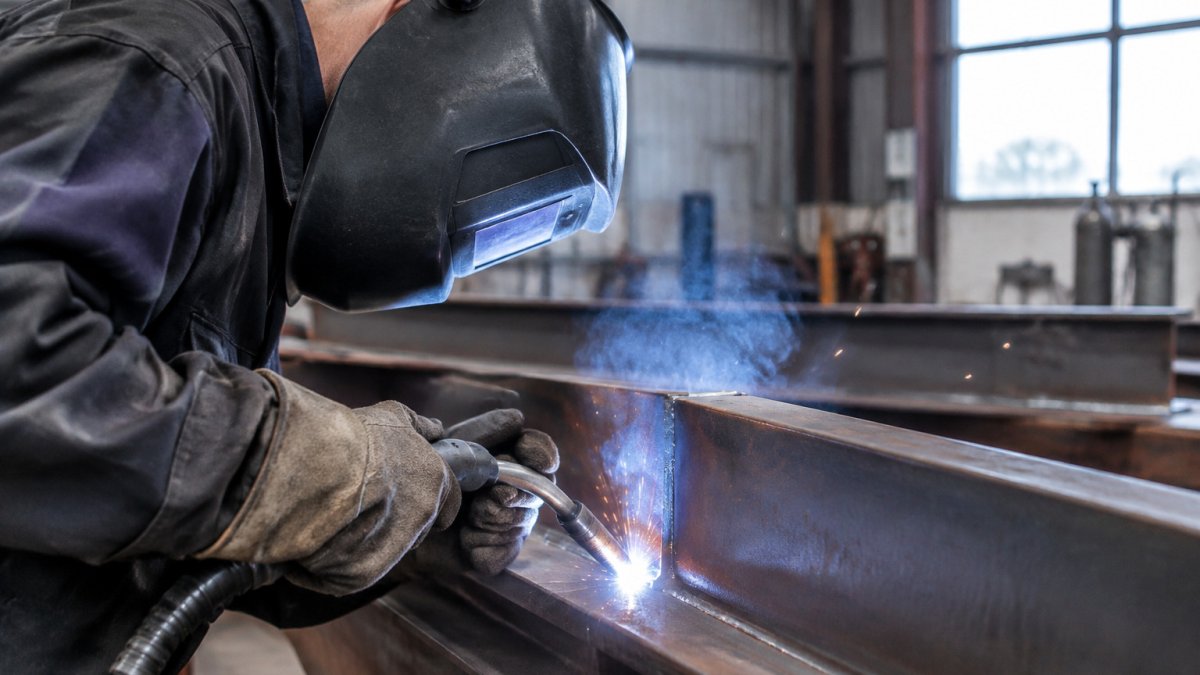
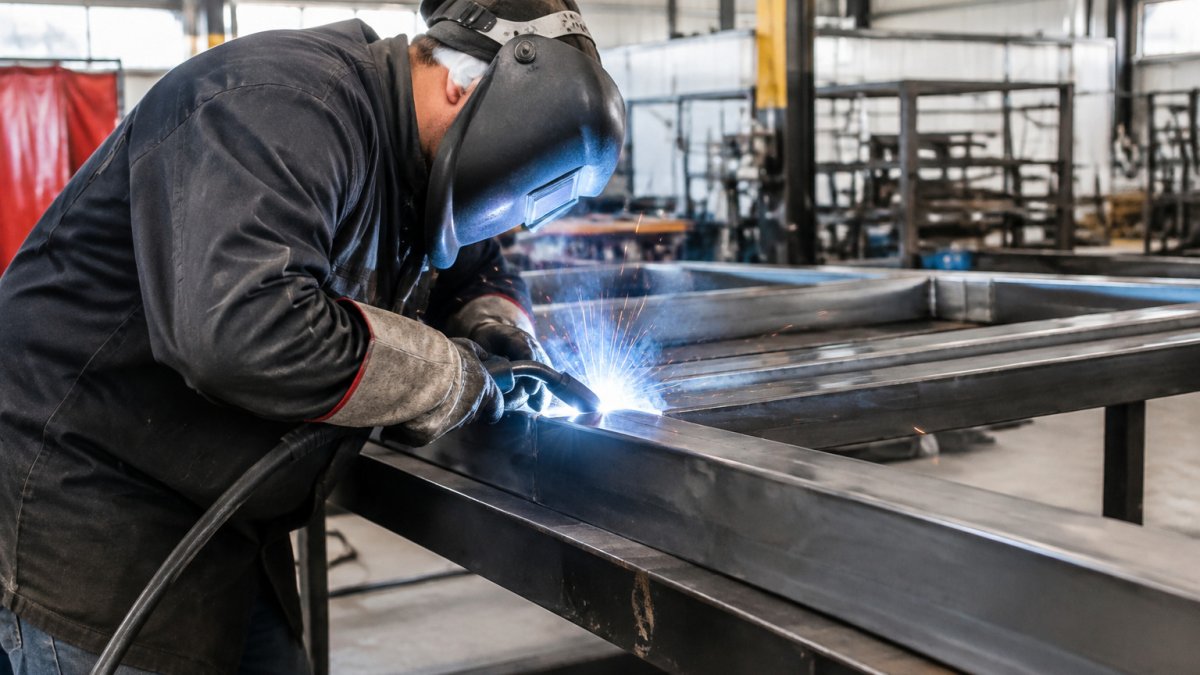
Custom metal fabrication cost factors come down to five drivers: design complexity, material selection and grade, labor time, setup and programming, and production volume. Tight tolerances and specialty grades add engineering time and waste, while skilled labor is the largest line on most custom jobs and setup costs have nowhere to hide on a one-off. Because setup costs are spread across fewer units in a short run, custom fabrication pricing depends heavily on how batch size balances labor, material use, and the work required to get production underway.
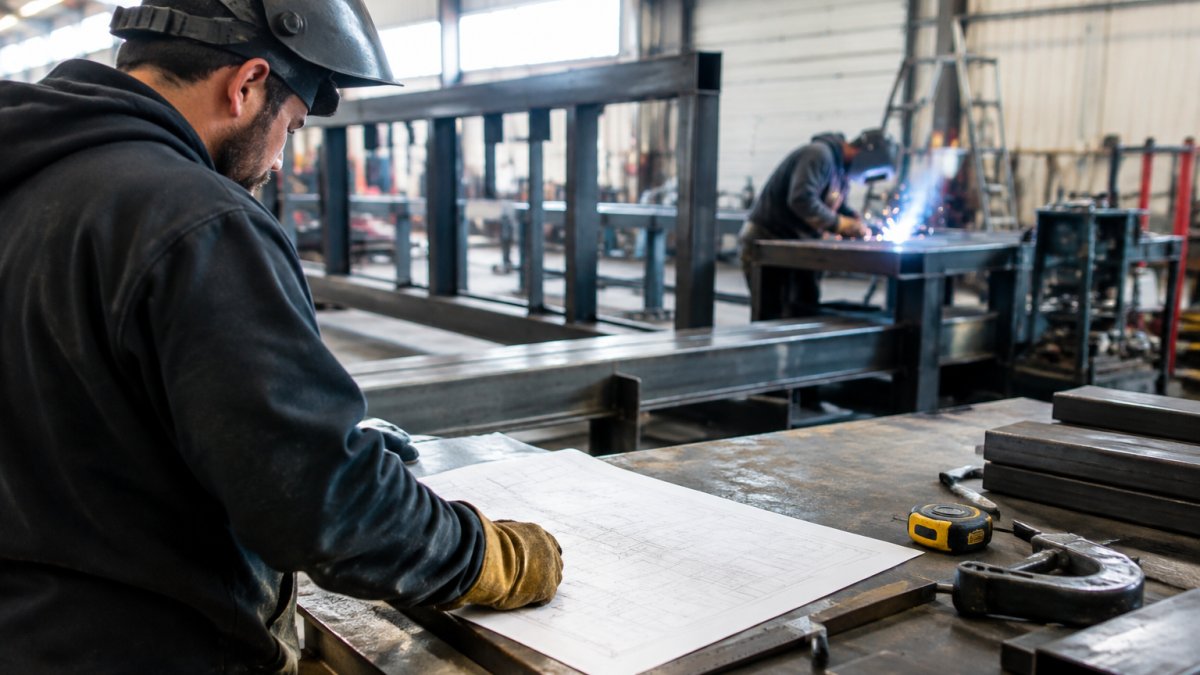
Every design change after fabrication starts means rework, paying twice for the same part. Locking specifications before the first cut is the cheapest decision a buyer makes. If schedule risk worries you, our breakdown of how to keep fabrication deadlines on track covers the planning side.

How to Read a Metal Fabrication Quote Breakdown
A metal fabrication quote breakdown should itemize material, labor, setup and programming, finishing, and transport or installation. If a quote is one lump sum, ask for the detail before comparing it to anything.
Material: Confirm grade and thickness, and ask whether waste is billed.
Labor: Look for estimated fabrication hours and the shop rate behind them.
Setup and programming: Expect this as a separate line on small-batch orders; it should shrink on repeat runs.
Finishing and coating: Powder coating, paint, and galvanizing are priced per surface area, so confirm what is included.
Transport and installation: Ask who delivers, who installs, and whether site conditions add labor.
Compare quotes on scope, not just totals, a lower number that excludes finishing or installation is not a lower price. When ready, request a quote with your drawings and specifications, and read our contractor's guide to choosing a custom fabricator before you sign.
The most common mistake is comparing a custom quote against an off-the-shelf catalog price; they are not the same product. Weigh total cost instead, including fit, durability, rework, and replacement. To see what that precision looks like finished, browse our completed work, and for the value case, read why custom fabricated railings are worth the difference.
Custom metalwork costs more because it is built for your project, not for a shelf, and that precision keeps a structure safe and a schedule intact. Built By Steele handles the full scope in-house, from concept through installation, with certified welders and licensed, bonded, and insured coverage under CCB #230995. Contact Built By Steele to discuss your next project and request a quote.
Frequently Asked Questions
Why does custom metalwork cost more than standard metalwork?
Standard parts are made in bulk on fixed setups, so the cost per unit drops. Custom metalwork is built to your exact dimensions, tolerances, and finish, which means new programming, one-off setups, skilled hand work, and material cut specifically for your job. You are paying for fit, durability, and a part that matches your drawings rather than a catalog item that happens to be close.
What factors affect the cost of custom metal fabrication?
The biggest drivers are design complexity, material grade and thickness, labor hours, setup and tooling, production volume, and finishing. Tight tolerances and design changes after the quote is issued also add cost. A shop that itemizes these lines in its quote gives you a clearer picture of where your money goes and where you can trim scope without weakening the structure.
How can I reduce the cost of a custom metal fabrication project?
Send complete drawings and specifications up front so the shop can quote accurately, standardize dimensions where the design allows, choose a common metal grade and thickness, and batch small parts into one order. Avoid changes after fabrication starts. Ask for an itemized metal fabrication quote breakdown so you can see whether material, labor, or finishing is driving the number before you decide what to adjust.
Comments